the impact of EUDR on 7 Indonesian export commodities
Understand the impact of EUDR 2025 on 7 Indonesian export commodities and strategies to ensure compliance through monitoring and traceability technologies.
Introduction to the European Union Deforestation Regulation (EUDR)
Starting December 30, 2025, the European Union will enforce the European Union Deforestation Regulation (EUDR) which will fundamentally change the international trade landscape. This EUDR regulation requires all commodities to enter the EU market to be free of deforestation and have clear and documented supply chain traces with a strict traceability system.
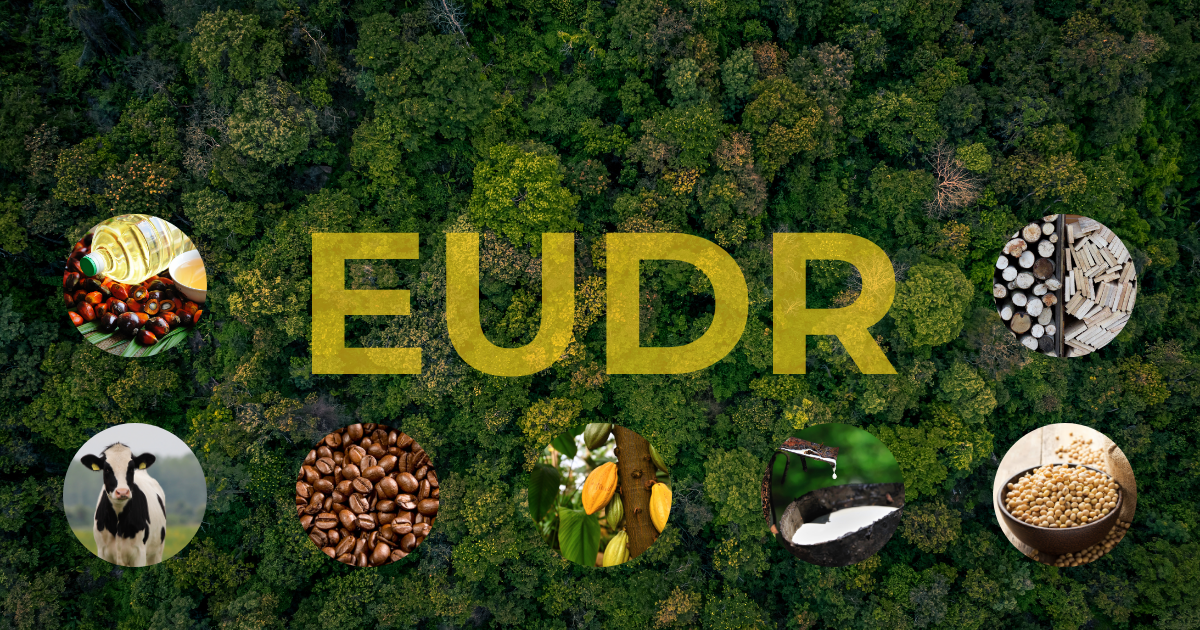
Indonesia, as one of the largest commodity exporters to the European Union, faces major challenges in meeting EUD requirements. Indonesia’s seven main commodities that are directly affected are: palm oil, rubber, coffee, cocoa, wood, paper products, soybeans, and cattle/livestock derivative products. Each of these export commodities requires a special strategy to ensure compliance with EUD regulations.
In-depth analysis of 7 EUD-affected commodities
1. Palm Oil: High Priority Commodities
Palm oil is one of the commodities with the highest attention in the implementation of EUDR. Products such as Crude Palm Oil (CPO) and Refined Palm Oil (RPO) classified in HS 151110 and HS 151190 must be proven to be derived from deforestation-free land since December 31. 2020.
Indonesia as the world’s largest palm oil producer faces pressure to prove the sustainability of the supply chain. Every ton of CPO and RPO exported to the European Union must be equipped with geospatial documentation indicating no deforestation activity in the production area. The satellite-based monitoring system is key to meeting the traceability requirements of the palm oil.
The impact has a significant potential on Indonesia’s palm oil exports, but it can be an opportunity if industry players strengthen the traceability system and apply land-derived proof to maintain access to European markets worth billions of dollars.
2. Rubber: Supply Chain Management Challenge
The rubber supply chain in Indonesia still involves many small farmers, who generally do not yet have a land tracking system or digital certification. EUDR demands verification of geospatial locations and documentation of the land used, which can be a big challenge without the support of monitoring and education technology.
The Indonesian rubber industry needs to integrate satellite technology and digital platforms to ensure EUD compliance. The rubber traceability system must be able to track every stage of production, from plantations to processing, with documentation that meets the EU’s due diligence standards.
3. Coffee: Sustainable Branding Opportunity
Indonesian coffee commodities are quite dominant in the European market, with a contribution of about 23% of the total national coffee exports to the EU. EUDR requires all coffee commodities to have a verified supply chain trace, including the original location and sustainable production process.
Although it can increase operational costs, the implementation of the EUDR standard also opens up opportunities to strengthen branding as a sustainable coffee producer. Sustainability certification and satellite-based monitoring system can be an added value in the penetration of the European premium market.
4. Cocoa: Total Transparency Supply Chain
EUDR regulations include not only cocoa beans (HS 1801) but also processed products such as chocolate (HS 1806). Each stage in the supply chain—from plantations to processing—must be documented and proven not to come from deforestation land.
Cocoa producers will face major challenges in ensuring data transparency and accurate reporting. The cacao traceability system must integrate blockchain technology and satellite monitoring to meet strict due diligence requirements.
5. Wood and Paper Products: SVLK System Upgrade
Although Indonesia already has a SVLK (wood legality verification system), EUDR sets additional standards in the form of geolocation and due diligence. The SVLK system needs to be integrated with satellite monitoring technology to meet EUDR requirements.
Wood products and their derivatives must demonstrate strong traceability, including documentation of land use before being cut down. The Indonesian forestry industry needs to invest in digital technology and monitoring platforms to ensure compliance with EUDR regulations.
6. Soybean: small commodity with big impact
Although not Indonesia’s main export commodity, soybeans are still included in the coverage of EUDR. Every ton of soybeans must be traceable to the original land and is proven not to come from illegal deforestation since the specified cut off date.
7. Derivative Products of Cattle and Livestock: Comprehensive Documentation
This category includes skin, meat, and other processed products. Cattle farms must be able to prove that production activities do not occur in the deforestation area after the time limit determined by EUDR. Livestock monitoring and traceability systems are the key to compliance.
Strategy for Facing EUDR Risks and Challenges
Main Risks of EUD Implementation
Non-tariff Barriers: EUDR has the potential to become a new non-tariff barrier, especially for small and medium-sized exporters who do not yet have an adequate traceability system.
Compliance costs: Additional costs for auditing, reporting, and verification can lower competitiveness if not co-managed through industry collaboration.
Gap Technology: Many small farmers do not yet have digital infrastructure or access to the location tracking technology required for EUD compliance.
Cross-sectoral coordination: coordination across actors — government, private, and NGOs — is still not optimal in the face of EUDR implementation.
transformation opportunities and solutions
Transformation Catalyst: EUDR can be a positive catalyst for the transformation of the commodity supply chain system in Indonesia towards sustainable supply chain management.
Premium Market Access: The implementation of traceability and transparency systems actually opens access to premium markets and consumers who care about the environment at more competitive prices.
Strategic Collaboration: Governments and the private sector can use this moment to improve farmers’ education, the provision of monitoring technology, and collaboration between sectors.
Technological solutions: Digital platforms such as TradeAware from LiveEO can help industry players in monitoring source areas, risk detection, and making EUD compliance reports.
EUDR IMPLEMENTATION ROADMAP FOR INDONESIA
Facing the deadline of December 30, 2025, industry players need to develop a comprehensive implementation roadmap. Key steps include:
Assessment GAP Analysis: Assessing the readiness of the existing traceability system
Technology Investment: Investment in Satellite Monitoring Technology and Digital Platform
Stakeholder Engagement: involves all stakeholders in the supply chain
Capacity Building: Capacity Building for Human Resources and Small Farmers
Continuous Monitoring: Continuous monitoring system to ensure compliance
Conclusion: Transformation to Sustainable Export
EUDR is indeed challenging, but it also brings great opportunities for the transformation of the Indonesian export industry. With a commitment to transparency and sustainability, Indonesia can maintain—even strengthen its position as the main supplier of globally highly competitive and ethical.
If industry players and the government can respond collaboratively by adopting the right monitoring technology, EUDR regulations will be a step forward towards more sustainable exports and with integrity. Investment in traceability and compliance management systems is not only a regulatory need, but also a long-term business strategy.
Ready to Face EUDR with the Latest Technology Solutions
SelarasTech, as the official partner of LiveEO, presents satellite-based monitoring solutions to help you meet EUDR requirements efficiently and accurately. This solution provides a comprehensive traceability system as well as real-time monitoring to ensure compliance with EU regulations.
Contact our expert team to discuss your supply chain readiness and the best possible solution to face the implementation of EUDR 2025.