Blockchain and Web3: the future of a decentralized internet
The digital world continues to grow rapidly, and two concepts that are increasingly attracting attention are blockchain and web3. This technology promises a more secure, transparent, and decentralized internet.
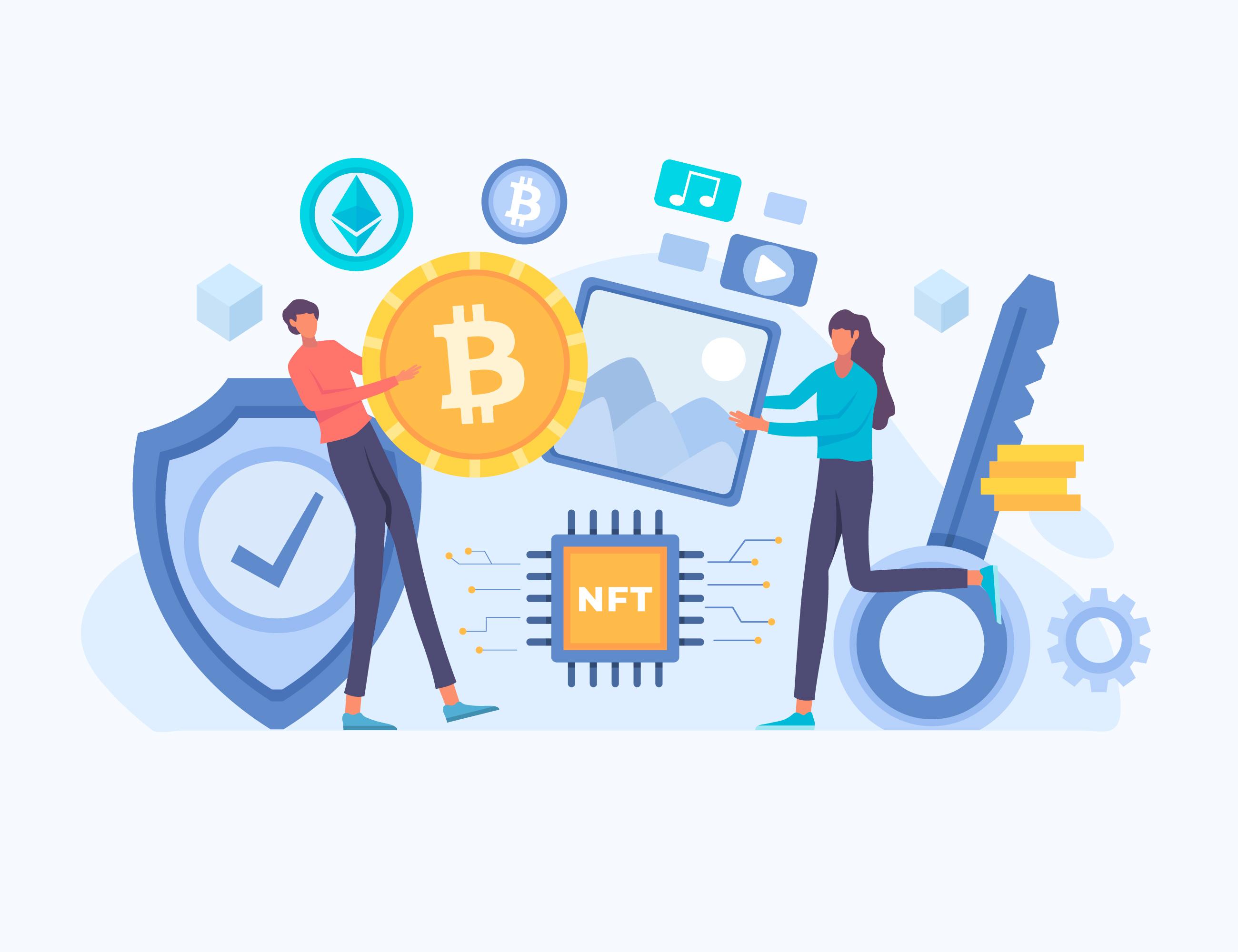
However, what exactly is blockchain and web3? How does the two work, and how does it affect the future of the internet? This article will discuss it in depth.
What is Blockchain?
Definition of Blockchain
Blockchain is a data storage technology in the form of a decentralized digital ledger. Every transaction that occurs will be recorded in a block which is then linked to each other, forming a data chain that is safe and cannot be changed.
How the blockchain works
1. Transactions are processed: Every transaction that occurs is collected in a block.
2. Verification by the network: The block is verified by a computer network (node) scattered in various places.
3. Added blocks to the chain: Once verified, the block is added to the existing chain.
4. Security Guaranteed: Each block is encrypted using cryptography, making it difficult to manipulate.
Benefits of Blockchain
– High security: because it is decentralized, the data is more difficult to hack.
– Transparency: All transactions can be checked by anyone.
– No intermediaries: eliminate the needs of third parties such as banks in financial transactions.
What is Web3?
Understanding Web3
Web3 is the latest evolution of the internet based on blockchain technology and the principle of decentralization. Web3 aims to reduce the dominance of large companies over user data and give more control to individuals.
Difference between web1, web2, and web3
– Web1 (1990s – early 2000s): static internet, can only read information.
– Web2 (2000s – present): Dynamic internet, can read and interact (social media, cloud-based application).
– Web3 (future): Decentralized Internet, users have full control over their digital data and assets.
technology that supports web3
1. Blockchain: The basis of Web3 which ensures security and transparency.
2. Smart Contracts: Automatic digital contract without intermediaries.
3. Tokenization: representation of digital assets in the form of tokens that can be traded.
4. Decentralization: Eliminates dependencies on the central server.
IMPLEMENTATION OF BLOCKCHAIN AND WEB3
Financial Industry (Defi – Decentralized Finance)
Decentralized Finance (DeFi) uses blockchain to provide financial services without intermediaries, such as loans, digital asset trading, and investment.
Non-Fungible Token (NFT)
NFT enables possession of unique digital assets, such as artwork, music, or in-game virtual items.
Metaverse
Metaverse is a digital world that combines AR and VR technology with blockchain, allowing users to have virtual assets that can be traded.
Digital Identity Management
With Web3, users can have complete control over their digital identity without having to rely on big companies like Google or Facebook.
Challenges and Criticism of Web3 and Blockchain
Scalability
Blockchain still faces challenges in handling large amounts of transactions quickly and efficiently.
Regulation
Many countries are still looking for the best way to organize this technology without hindering innovation.
security and privacy
Although more secure, Web3 still faces challenges in terms of protection of user privacy from data abuse.
Conclusion
Blockchain and Web3 promise a more transparent, secure, and decentralized future. However, there are still various challenges that must be overcome before this technology can be widely adopted. With continued development, it is not surprising that in the next few years, Web3 will become a new standard in the digital world.